Best Time To Visit The Australian Outback
A look at the seasons in the Australian outback
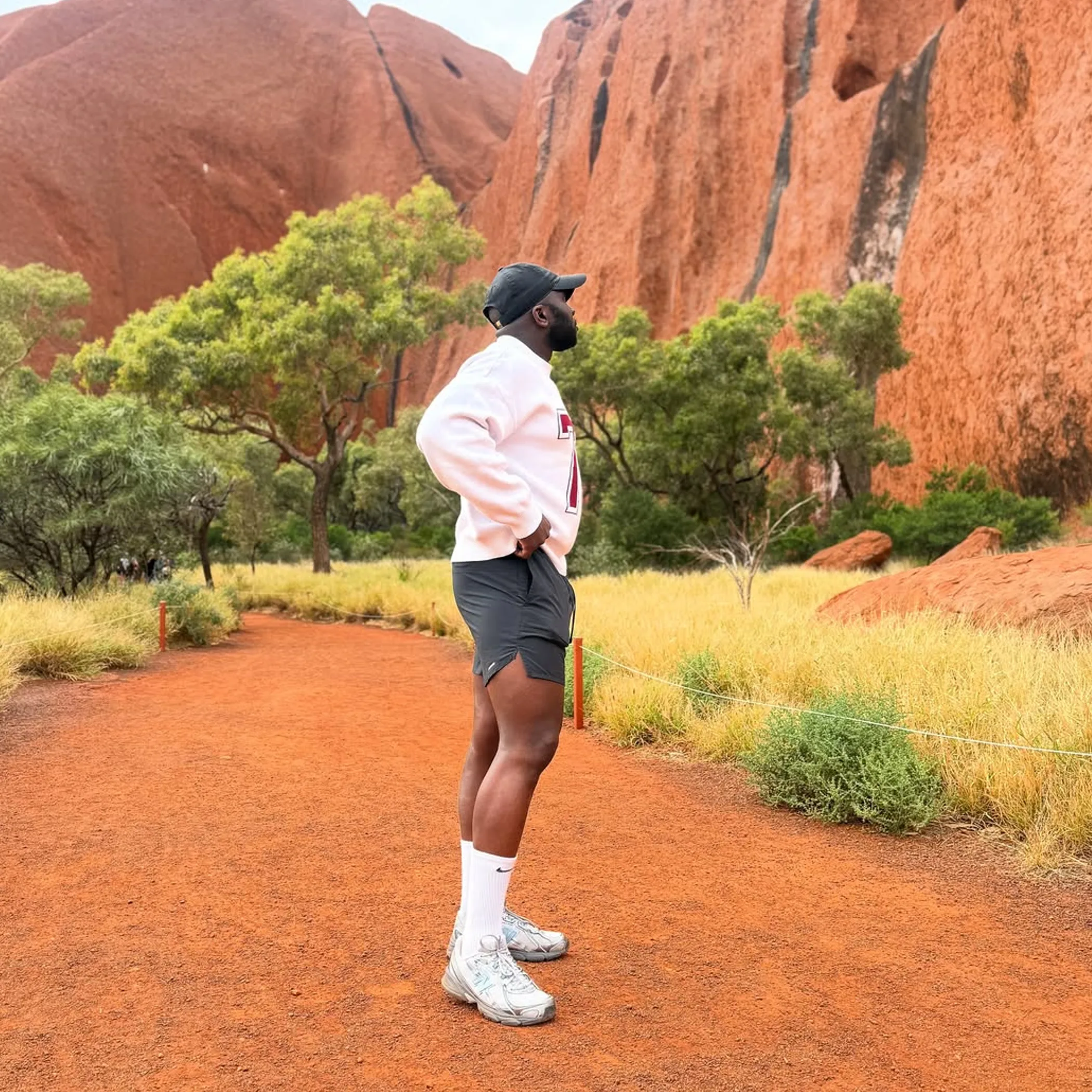
One could put the best time for an outback visit in the April to October window; winter in particular is dependable for its open roads, comfortable days and temperatures that are easy to deal with. In April or May there are warm days and not as many other travellers about. Come June through August and you will find the coolest weather for a long road trip or a day in Alice Springs, Kings Canyon or at Uluru.
But in a country this size there is no one month that is perfect. The Top End has a pronounced wet and dry season, the Pilbara gets unrelentingly hot ahead of the summer storms and the Red Centre is all dry desert climate. Then there is the question of what vehicle you have in mind, your camping set up, your route and how much heat you can stand. The calendar is only part of it. Rainfall patterns in the tropics clearly define the wet season from October to April and the dry season from May to September.
Walter Ashcroft here. I see outback travel as I would a photograph: do not be taken in by a glossy promise until you have looked at the light and the conditions and know what is beyond the frame. A red sunset is fine. An empty water tank or a tyre that has given up from the heat is not so appealing.
Seasonal Planning In One Table
| Season | Typical Conditions | Best For | What to Watch |
|---|---|---|---|
| Summer | Hot days, warm nights, chance of storm | Some northern routes, indoor culture, less crowded | Flooding, bushfires, extreme heat, restricted walking |
| Autumn | Days cool off, access improves, rainfall varies | National parks and road trips in the shoulder season | Roads after a rain |
| Winter | Cold desert nights, cool and dry | Stargazing, camping, sunrise and hikes | Cold when the sun goes down, high demand |
| Spring | Mornings are cool but days warm up, more risk of storm | Wildflowers, early-season walks | Heat comes on fast late in the season |
Consider these ranges for your planning and not a forecast. For ideal Uluru visit timing, you might have a dry month and still get a storm out of nowhere, or a wet-looking forecast will alter in an instant. At Uluru a mid-to-high 30s Celsius is common in the summer day and winter can drop to 5°C at night.
Heat And Storms In Summer

The experienced traveller who is able to adapt is best suited to the outback in summer. From December into February the Northern Territory’s Top End is in the wet with its humidity, thunderstorms and the odd flood, and it is very hot in parts of Uluru and Alice Springs.
There are perks to be had. You might have the place to yourself at a lookout come sunset and accommodation is easier to come by. But you have to make the day work with the heat, not regard it as something to be put up with. The sun will not budge.
Make The Most Of The Coolest Hours
When at Uluru, put in your longer walks before the worst of the day and start out after sunrise. Have plenty of water on hand and good sun protection, and any local alerts should be heeded before you put any distance between yourself and a sealed road or your accommodation.
Do not underestimate a summer storm. Unsealed tracks can be left corrugated, slippery or simply not passable. In the remote areas a road may seem innocuous enough for a few kilometres then turn rough as guts. It is sensible to have a recovery plan and satellite comms, not to put on a show of adventure.
Differences Between North And Centre
For most visitors the Kakadu dry season is the time to go; the wetlands, walking tracks and roads are more amenable. When the wet season is upon them some of the attractions and roads will be shut, though the landscape is transformed and the waterfalls are in full flow. You let the local conditions and crocodile safety dictate your course.
Over in the Red Centre a summer rain is more of a short affair than the prolonged wetness of Kakadu National Park. That is no guarantee of a safe route. See to it that you have checked on Aboriginal land access, flood warnings and any park closures.
Road Trips In Autumn
If you want the warmth without the full brunt of summer, autumn is a sound choice. March may be hot in the vicinity of Uluru but by April and May it is more agreeable for a long drive or some photography. Being a shoulder season you can strike a balance with the crowds and where you put up for the night. Keep an eye on the rain though; one weather system can put an end to access on a river crossing or desert track.
May as a Transition Month
There is much to be had in the Red Centre in May. The low sun will put some colour on Uluru and Kata Tjuta and one need not stand in an oven to see it; evenings are fine for putting up camp and the days lend themselves to a good walk.
But do not think a good month excuses a poor plan, as I found on my first foray across the Gibb River Road in May. One has to make allowances for road repairs, to check tyres and put in stops; even with that I was later than I should have been. A map may show the outback distances in an orderly fashion but the surface of the road does not agree. Between one station and the next or at an access point conditions can vary.
Changeable Access to be Expected
The Stuart Highway between Adelaide and Darwin via Alice Springs is well suited to the autumn traveller, so long as the route is in order before setting off. This is true of the way west through Western Australia as well, be it the Pilbara or getting to the Gibb River Road.
Do not take a hire car’s itinerary as evidence the road is fit for purpose. See if your insurance and vehicle are up to unsealed roads and if 4WD is called for. Legally a road may be open yet after rain it is no place for a lightly equipped vehicle.
Winter: The Easiest Days
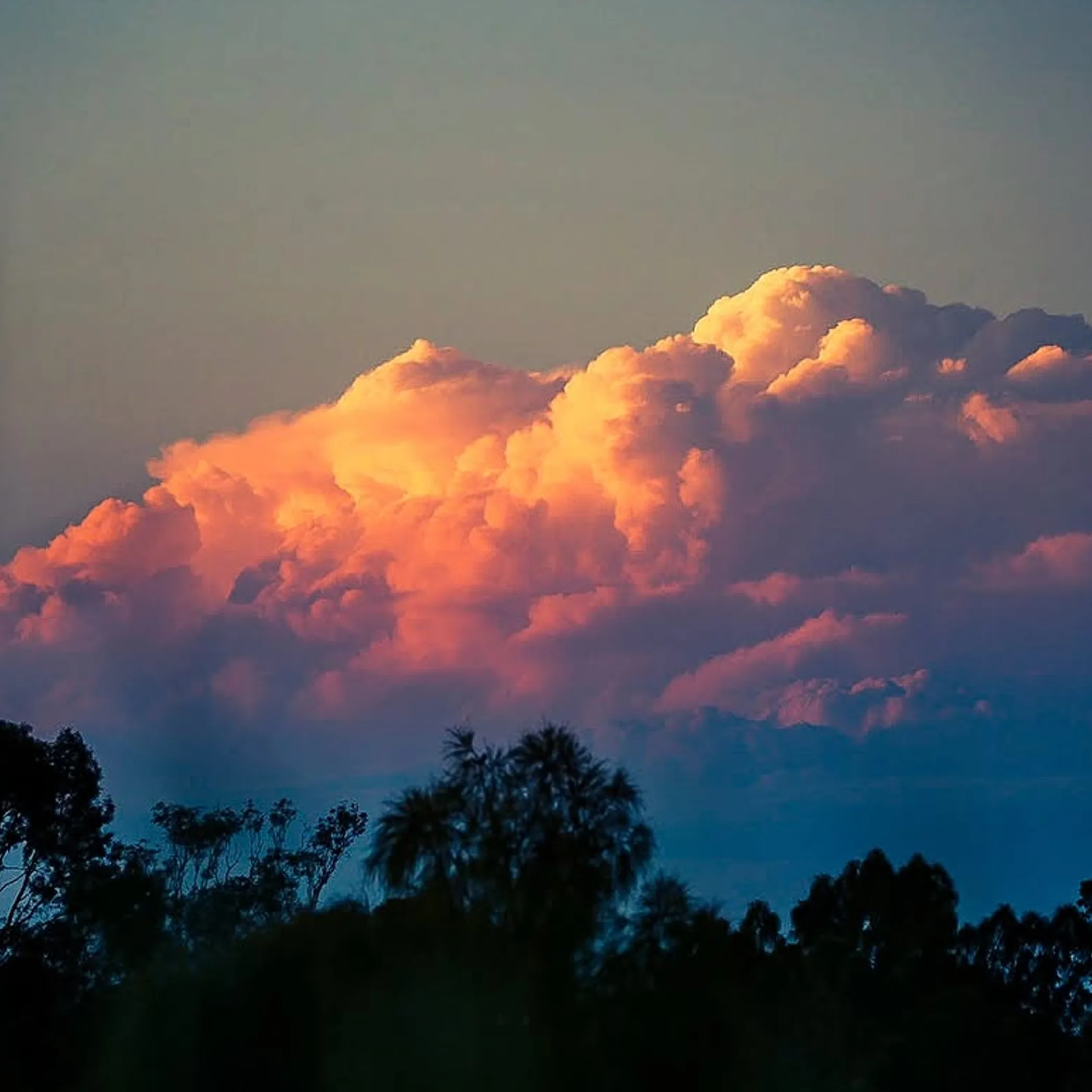
Much of the Red Centre sees its most popular travel in winter on account of the dry, comfortable daytime weather for a hike or cultural tour. Uluru, Kings Canyon, Alice Springs and Kata Tjuta are all well served in June, July and August.
Then there are the cool nights to contend with. In the open desert a campsite that was agreeable at sunset is very cold by dawn. Put on some layers and have a proper sleeping bag; a mild afternoon is no guarantee of a mild night.
Put Early Starts to Good Use
For stargazing and the sunrise and sunset, winter is hard to beat. Get going before breakfast on a popular walk and give yourself more time than the miles would indicate. You will be slowed by the odd rocky patch, a break from the heat, to check your water or put the camera to use.
At Kings Canyon the rim walk is no joke, with its steep steps and exposed parts. It is for the reasonably fit who can handle uneven ground. If you are not up to the exertion or heights, it is not the answer, even in winter. Make an honest appraisal of the climb and heed the current advice on access.
Booking in Winter
One must book ahead in winter for vehicle hire, accommodation and tours given the demand. Operators differ on price and what is available so get a firm budget in place. Plan to put aside some extra for park fees, a guided activity, fuel and meals, or perhaps an overnight stay should the weather put a hold on your route.
Fuel is something that is easily under-estimated. Service stations in remote areas are few and far between and costlier than in the cities. Top up when you can and have some approved emergency fuel on hand if you can. Do not count on the next roadhouse being open at your hour of arrival.
Spring: Colour and Heat
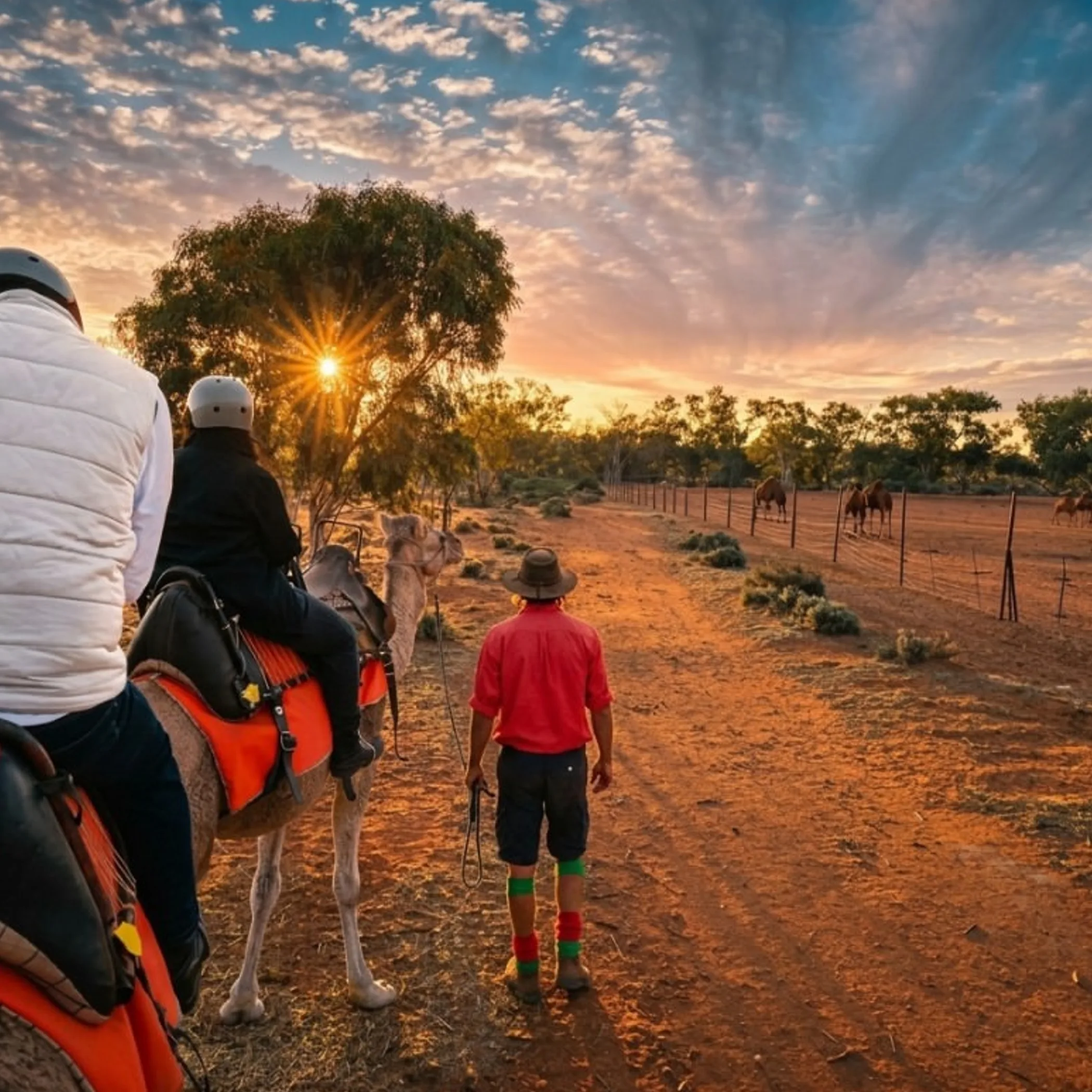
A pleasant start to spring gives way to the heat. September is a good month in the Red Centre but come October and November walking hours and exposure to the heat have to be factored in.
You might see wildflowers in South and Western Australia following a decent fall of rain but there are no guarantees. What is on offer is down to the timing and the local rainfall. Those who can assure you of a perfect carpet on any given date are being overconfident.
Late-Spring Forecast
If you are content with an early start and want the tracks to yourself, spring is fine. Not so if you are of a mind to put in a long midday walk or make an unplanned detour in country that is remote.
From November to April in the north, storm activity and cyclone alerts can put a spanner in the works. Official warnings and road reports should be consulted. Dry vegetation means bushfire closures are a possibility in national parks and along access routes.
Flowers or Fatigue
The light and colour of spring are excellent for a photographer with a flexible route through the Great Victoria Desert or the western side of the Red Centre. But for a family or those new to camping, late spring can be more of an ordeal than winter with limited shade and the heat coming on fast.
When to go to Uluru
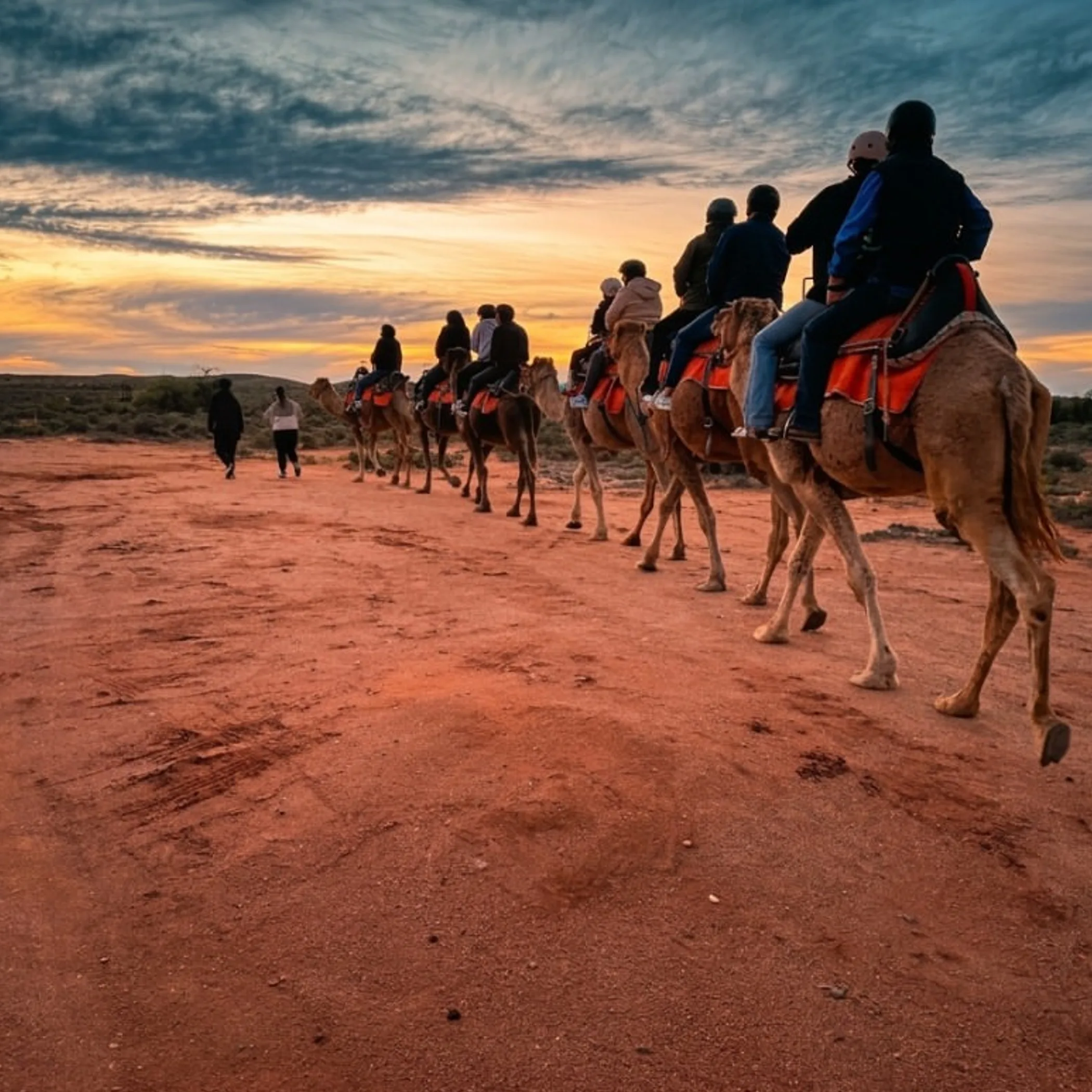
For walks and the like, winter is the most comfortable and the best season overall at Uluru. Late autumn to early spring is generally preferred. A measure of daylight and temperature without the crowds can be had in April and May or the first part of October.
How much you intend to get out of a trip will dictate when is the right time for Uluru. With some forethought, any month will do if it is the rock at sunrise or sunset that you are after. But should you have designs on putting in some walks at Kata Tjuta and Kings Canyon as well as an extended camp, then the height of summer is to be shunned unless you are of a flexible and seasoned disposition.
Make Time For The Rock
A day can be had of it with a sunrise or sunset, a visit to the cultural centre and a good long walk, though it is likely to be a rush. Two days would be better to put in at Uluru and Kata Tjuta, allowing for a second go at the sun if the clouds or one’s energy levels are not up to it. Then there are those who prefer a more measured approach with longer walks and the like; three days is the order for such guided experiences.
Stick to the cultural centre, a well picked walk and one of the sunrises or sunsets for a single day. There is no point in trying to fit in all the lookouts and a side trip to Kings Canyon and Kata Tjuta as well. The distances are what they are and the landscape is not going to oblige your early return flight by coming any closer.
A Month By Month Guide To The Weather
There is a pattern to be seen. January and February run hot, March and April see a slow cooling, while from May through August the days are pleasant enough if the nights are cold. Come September to December it is warmer still.
Do not be surprised if rain makes its mark on the experience at any time of year. It can bring waterfalls to Kata Tjuta and Kings Canyon but also put a stop to access. One should check with the park and heed any closures. The Parks Australia site for the national park has what you need way by way of guidance on visitor duties and culture.
Compare Crowds Costs And Access
Then there are the crowds, costs and access to consider.
The season will tell you how early to be there, if a campsite is to be had, how long a fuel stop will take and whether a remote road is worth the trouble for your vehicle. In winter you will find the major draws are in high demand. Summer is quieter but the convenience is negated by storms and heat. Autumn and spring tend to be the best compromise for those wanting to steer clear of peak season.
What Travellers Overlook
It is easy to focus on the big name sights and neglect what lies between. Getting from Alice Springs to Uluru is a long drive with little in the way of services, necessitating stops for food and fuel. A detour to Kings Canyon is scenic but exacts a toll in driving time and requires you to manage your energy.
You will have no trouble parking at the usual haunts but make an early start in the busy winter months. Do not count on drinking water, a dunny or mobile signal at a remote lookout. Put your rubbish out, mind the signs and let the wildlife be.
Reality Will Set In
You may think a four hour drive is just that, but factor in the road trains, tyre checks and photography and the timetable will lengthen. Winter is supposed to be warm but an icy dawn is part of camping, even if the afternoon is agreeable. Some believe summer means the place is empty; the crowds thin out but so do your options for walking or touring in the heat.
Pack For The Season
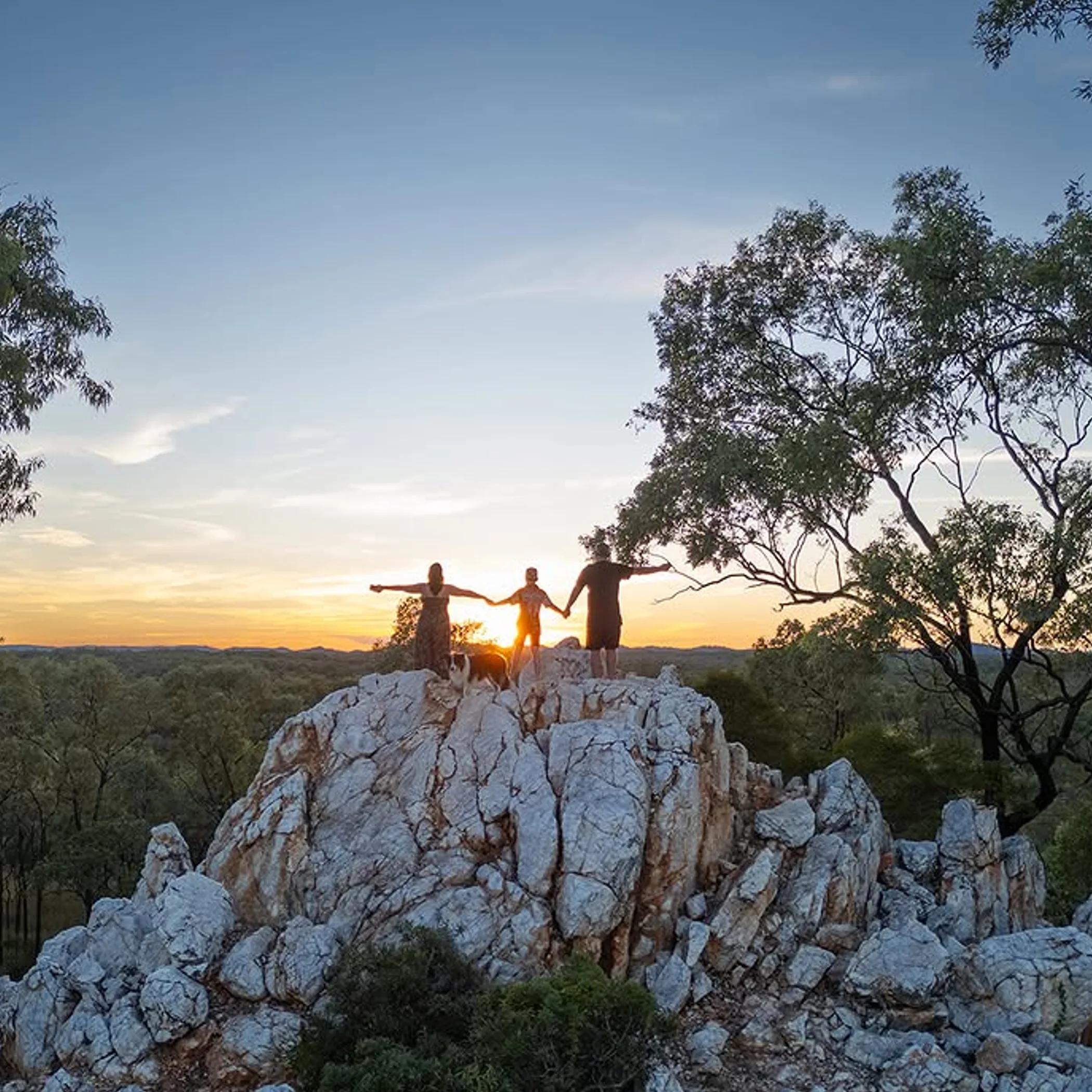
When packing, look at the route and not only the photograph of where you are headed. The outback is unforgiving of anything that needs perfect weather or a shop nearby, so keep your gear simple and hard wearing. Have your wide brimmed hat, sturdy closed shoes, torch, paper maps, power bank and a supply of food and first aid. In the cooler months add a sleeping bag and layers; in summer make sure you have a plan to avoid the midday sun and something to provide shade. A pre-departure routine should include a review of road and weather, any park closures or warnings, and what fuel is on offer. Make sure you have in order vehicle restrictions, permits, insurance and Aboriginal land access. Put your route and ETA on the record with someone and be sure to let them know if things are amended.
- In the warmer months one will find flies to be a nuisance; a head net is a sensible precaution. Mozzies are best put off with repellent, in the Top End and around water for instance. And do not put your water under a pile of luggage where it is hard to get at on a roadside stop, leave it within easy reach in the car.
Plan A Safer Outback Route
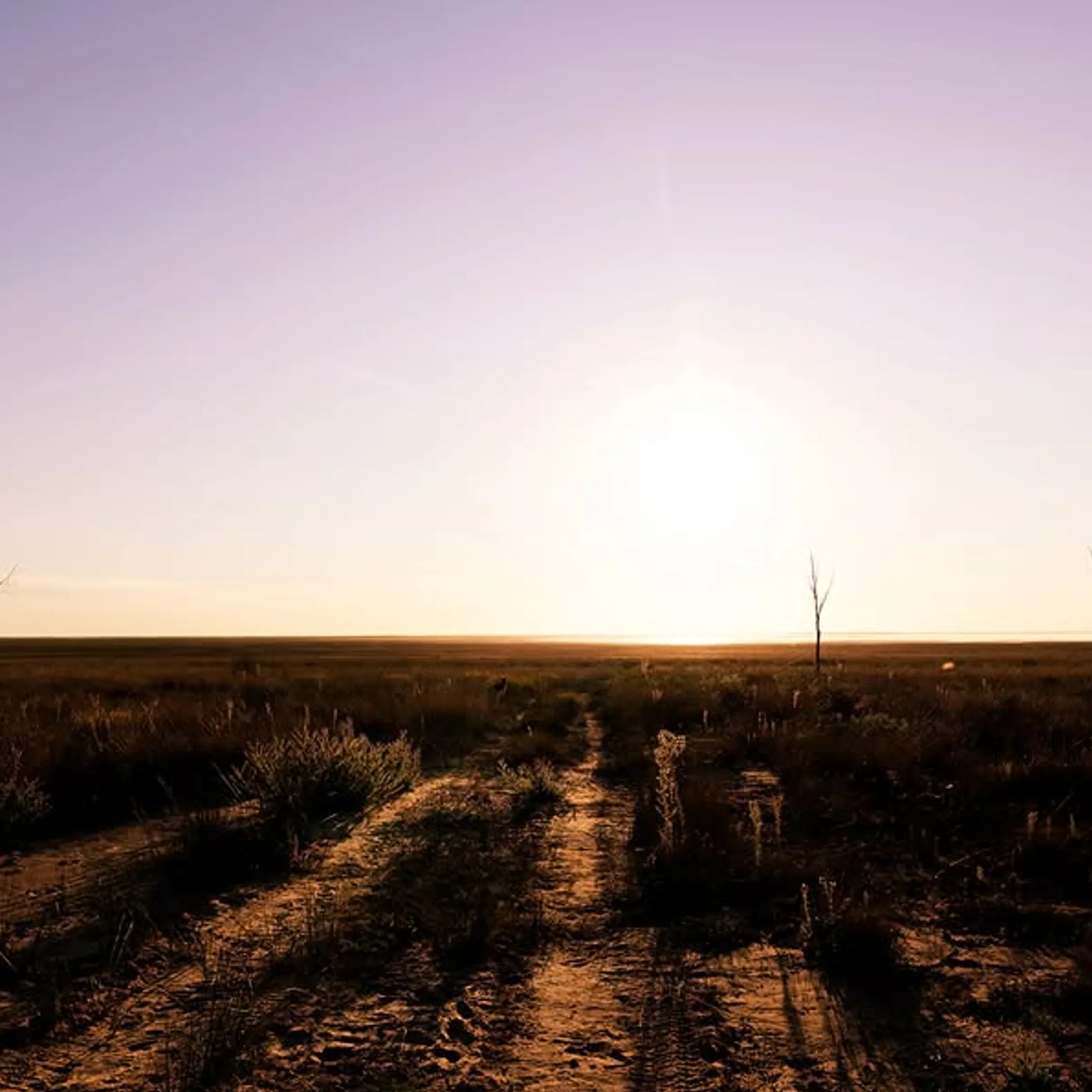
The outback has an appeal for those who do not mind a rough road, an early start and some elementary facilities, and who can be fluid with their plans. It is not the place for the traveller wanting a day that is rigidly timetabled or who is without mobile coverage.
Those unaccustomed to remote driving would be well advised to stick to sealed highways. The Stuart Highway is the most direct way to run the Red Centre, and Alice Springs makes a good base for supplies and to make regional trips of. Then there are the more demanding routes in the Simpson and Great Victoria Deserts and Western Australia which call for experience and the right vehicle as much as preparation.
Some Scenarios For The Traveller
- One day at Uluru? Book sunrise or sunset, do a major walk and the cultural centre and be flexible after that.
- With three to five days you can put together Uluru, Kata Tjuta and Kings Canyon, providing you allow for realistic driving and a bit of leeway for the weather.
- First time camping? Do it in winter or the shoulder season, near some established facilities and steer clear of 4WD country in the bush until you are familiar with your recovery gear and the vehicle.
FAQs On Australian Outback Travel
What month is best for Uluru?
You could do worse than April or May, September or the first part of October when the heat is less of an issue than in summer. June through August is fine for a walk but expect cold nights and the heaviest traffic.
Is Uluru too hot in summer?
When it gets to the mid or high 30s Celsius, a midday walk is hardly comfortable. You can still go about your business with an early start and by hydrating and being adaptable, but a full outdoor programme is easier said than done in summer.
How many days at Uluru?
Two is enough for a first visit of substance. In one day you will tick off the highlights but have no margin for fatigue or a change in the weather, or to try for a second sunrise. Three is better if you are to add in Kata Tjuta or a more leisurely camp.
When does the wet come to the Outback?
The Top End sees it in the hotter months, say November to April, though it is not always the same. The Red Centre is not like Kakadu in its rainfall patterns and is harder to predict.
For a road trip, is winter recommended?
It is the most agreeable time for camping and hiking by day. Just book in advance and before you put the sealed road behind you check the conditions and brace for cold at night.
Make The Season Work For You
Go in the season that is right for your make and model of vehicle, your fitness and how you stand the heat. Winter for walking you can rely on, autumn or spring for a little give and take, and summer only if you are prepared for storms and closures and to make allowances for the temperature.
Time your Uluru visit for April to May or September to early October and put in the hours to slow down. There is no point racing across the map in the outback. One is having a long conversation with the distance and the weather and now and again a road train, and those who pay attention are rewarded for it.
