You would be hard pressed to find someone who has not put in that query at some point, usually a trifle late in the day with an appointment made and a bottle already open to reveal a “light glow” that is anything but. The short of it is you can, as a rule, have your fake tan after treatment, but not right off the bat. It is better to let the skin get over itself first; 7 to 14 days is a safe period to wait in most instances, subject to how your skin behaves and what your provider says.
I am Walter Ashcroft. Put in enough time with beauty imagery and you come to appreciate that timing is half the battle and the skin has a way of ignoring the memo. There is no need for moralising from the clinic or to worry about any self appointed fake-tan police at the front desk. The problem is more prosaic: fresh from a session the skin will be warm and reactive, perhaps dry and irritable. Introducing the active ingredients or fragrance of a spray tan or self-tanner at that juncture is not wise.
The Practical Answer
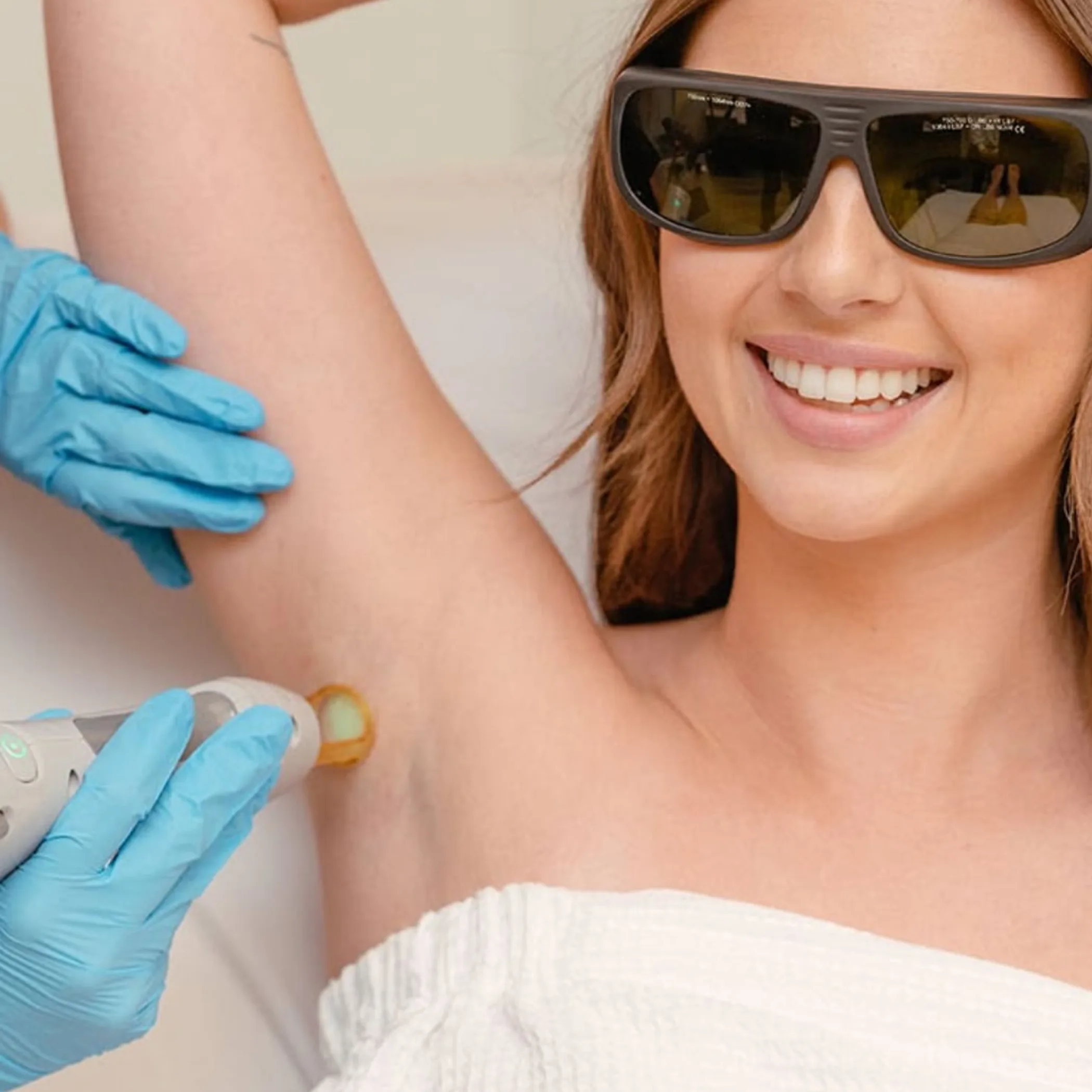
To cut to the chase, do not go in for a session with fake tan on and steer clear of it in the immediate aftermath. Any sunless tanning product should be put on once all the heat, redness and tenderness are gone. Your clinician’s word on aftercare is paramount, but for the majority that is a matter of 1 to 2 weeks.
One is tempted to think because the skin looks fine it is fine, yet the barrier may not be as placid as it seems. Post laser hair removal in particular the skin can put on a normal face while being quite unready for cosmetic layers and rubbing.
A Question of Timing
It is simple really. Laser is all about pigment. While fake tan is not the same as what UV exposure gives you, it does alter the surface condition and appearance of the skin which can get in the way of recovery and prep. In my experience of poring over before and after photography, I see it time and again: people do not give enough weight to patchiness and surface colour when it comes to risk and results. A bit of fake tan can obscure your natural tone and make it difficult to judge a reaction, leading to uneven treatment.
Then there is DHA
Dihydroxyacetone is the sugar found in most spray and self tanners that goes to work on the amino acids of the outer skin to darken it. It is in the stratum corneum, not deep down, but it is there for the practitioner to see. That is why you do not want DHA and laser on the same day. Even a purely cosmetic tan can make the skin look darker than it is, prompting the operator to be more cautious or, if not properly taken off, up the burn risk.
Skin will be less forgiving
Redness and some swelling of the follicles is to be expected after you have been treated. Put a fragranced mousse or bronzing mist on top of that with a bit of enthusiasm from the mitt and you have set the stage for irritation. Sensible clinics will tell you not to. The Australian Government’s Healthdirect information on skin irritants has information on skin irritants that can do damage to an already compromised barrier; the principle holds true for post-laser skin even if the reaction appears minor.
So when can I fake tan?
Wait for the skin to be entirely calm and then put in a small buffer, do not rush it the second the redness is gone. Seven to 14 days is a good rule of thumb. But there is no one size fits all answer given the Fitzpatrick type, medications, sensitivity and where on the body the treatment was done. You will want to be more circumspect with the face than the legs, and places like the neck, underarms or bikini line tend to remain touchy for longer.
| Situation | Typical Guidance | Why It Matters |
| Immediately post treatment | No fake tan. The skin is likely to be hot, reactive and in need of some care. | Skin may be hot, reactive and prone to irritation |
| The first 48 hours | One will find redness and follicular swelling at their height. Self-tanner, spray tan, heat and friction should all be put aside. | Redness and follicular swelling are often at their peak |
| Days 3-7 | Leave it alone unless the skin has completely settled and your provider is on board; for some there is residual sensitivity or dryness. | Some people still have dryness or sensitivity |
| 7 to 14 days out | The barrier has had time to put itself right so a fake tan is generally no problem. | Gives the barrier more time to recover |
| Prior to next appointment | Any fake tan must go before the laser. It is a matter of reducing risk and ensuring the treatment is done accurately. | Helps treatment accuracy and reduces avoidable risk |
Then there is the matter of expectation as opposed to reality. A friend may say “wait a few days” and it is taken as gospel by many. But in the real world, if you have run hot after the laser, put on some bumps or are putting active skincare on, clinics will want you to wait longer for a fake tan.
A look at your options
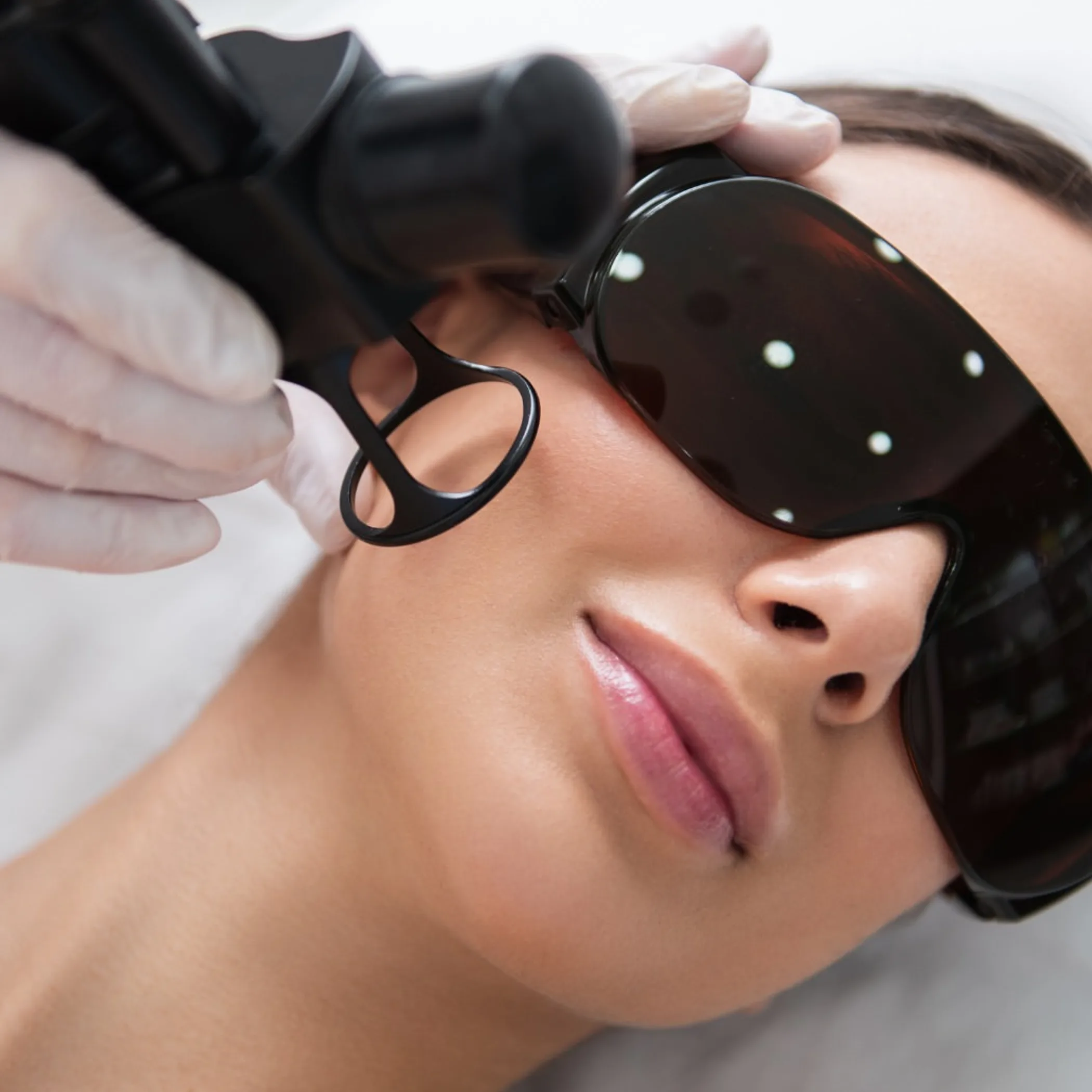
None of them are ideal in the wake of treatment, but not every method is as much of an issue as another if one wants to retain colour without causing a stir.
Some would think natural sun is the cleaner option over a bottle tan. After laser it is the reverse. UV is an added source of inflammation, can throw a spanner in the works of future treatment planning and up the chance of hyperpigmentation.
Spray Tan or Self-Tanner?
Both make use of DHA so the concerns are much the same. With a spray tan you may have trouble with control in more sensitive spots and the application in a booth or salon can mean rubbing and fragrances that freshly treated skin is not fond of.
You have better control with self-tanner, allowing you to do a patch test or stay away from areas that have been treated. But if the skin is still warm or shedding, you will get a lousy result no matter how much control you exert. It will turn patchy in short order.
As for the sun, it is the worst of the three.
Recent laser and UV are not a good combination. Inflamed skin is prone to bad reactions and any extra pigment can make you more of a burn risk down the line.
This is also true for those who have IPL in mind. Since IPL is after the pigment, having a fake tan or being in the sun can affect the efficacy and safe settings of the treatment.
Preparation for your appointment
When you have to take off a fake tan before a session, do not go about it like you are sanding down a weatherboard fence. You want the product off but the skin left intact. Walter Ashcroft has seen it happen: a person will have a panic the night before and set to work on their arms with a mitt, hot shower, acids and what have you. They show up blotchy and over-exfoliated with half the tan gone and the skin more vulnerable than when they started. Hardly the way to do it.
It is better to be methodical and remove the tan gently over a day or two. A soft exfoliation and mild cleanser in a lukewarm shower is preferable to some last-minute heroics. And if the clinic has a prep window they require, stick to it rather than anything you read online.
Let the colour fade of its own accord by not applying fake tan for a few days before you come in. Do not use harsh scrubs or hot water. If you are of a sensitive nature, patch test your tan remover. Should there be any trace of tan visible, put the clinic in the know instead of making out there is none. Some will put off the treatment if you are still tanned. It is a nuisance but preferable to a burn you could have put off. There is no evidence-based shortcut to getting it all off in one night.
What you should be aware of
Fake tan in the vicinity of treatment can lead to pigment issues, irritation and less effective results. While not a certainty, it is common enough to be part of the aftercare and prep instructions. You will hear the likes of Simplicity Laser and Milan Laser tell clients to forgo sunless tanning. On RealSelf you will see clinicians of a like mind: it is not a gamble worth taking with the treatment skin.
Burn Risk And Pigment Issues
The device will not be able to get as clean a read of the skin if there is darker pigment on the surface, be it from the sun or leftover fake tan or an uneven prep. The result can be a greater likelihood of a burn or a need for more conservative settings that in turn compromise the treatment.
Then there is the matter of hyperpigmentation, a particular worry with reactive skin or the deeper Fitzpatrick types. Should you put some friction, heat or fragrance on top of any inflammation left over from the procedure, the skin may go and darken post-inflammation. Not everyone is prone to it, but in those cases it has a way of outlasting the tan one was set on keeping.
What The Numbers Suggest
There are no hard and fast statistics to be had on fake tan following a laser session; better to be blunt about that than invent them. What one can put to bed is that when aftercare, sun avoidance or the selection of skin is not up to scratch, light-based procedures have their side effects in the form of irritation and pigment alteration. In a clinical setting providers are inclined to be conservative precisely because there are no neat percentages to apply across the board.
It is for that reason patch test recommendations should be heeded. If your clinic puts one forward do not think they are being unduly dramatic, it is simply prudent risk management.
Aftercare That Helps
A bit of good aftercare is what stands between you and a safe, even tan down the line. Building consistent, small routines yields the best long-term results, much like the principles outlined in Small travel agency south melbourne habits that pay off. To put it briefly: calm skin tans well, angry skin does not.
For the first few days after your treatment consider yourself in maintenance mode. Do not be putting products on just because the label touts a “gentle glow” (gentle by whose measure?), and shun any heat you can. Keep the barrier content.
Simple Dos And Don’ts
The area should be cool and clean for a day or two.
A plain moisturiser is fine provided your provider has given the nod.
When the skin is in a reactive state, heavy friction and hot showers or saunas are to be avoided, as is strenuous exercise.
Put off exfoliation until redness and tenderness are a thing of the past.
Even if the skin appears normal, wait before a spray tan or self-tanner.
Sunscreen is de rigeur on any exposed treated parts while you are out and about; UV is trouble waiting to happen post-treatment.
And if an event is tomorrow and you were of a mind to have both the procedure and a new tan, make the event your priority. Time it poorly and you could be faced with patchy colour, irritated skin or having to call off the appointment. Beauty admin has its unglamorous moments but it is preferable to damage control.
Special Cases
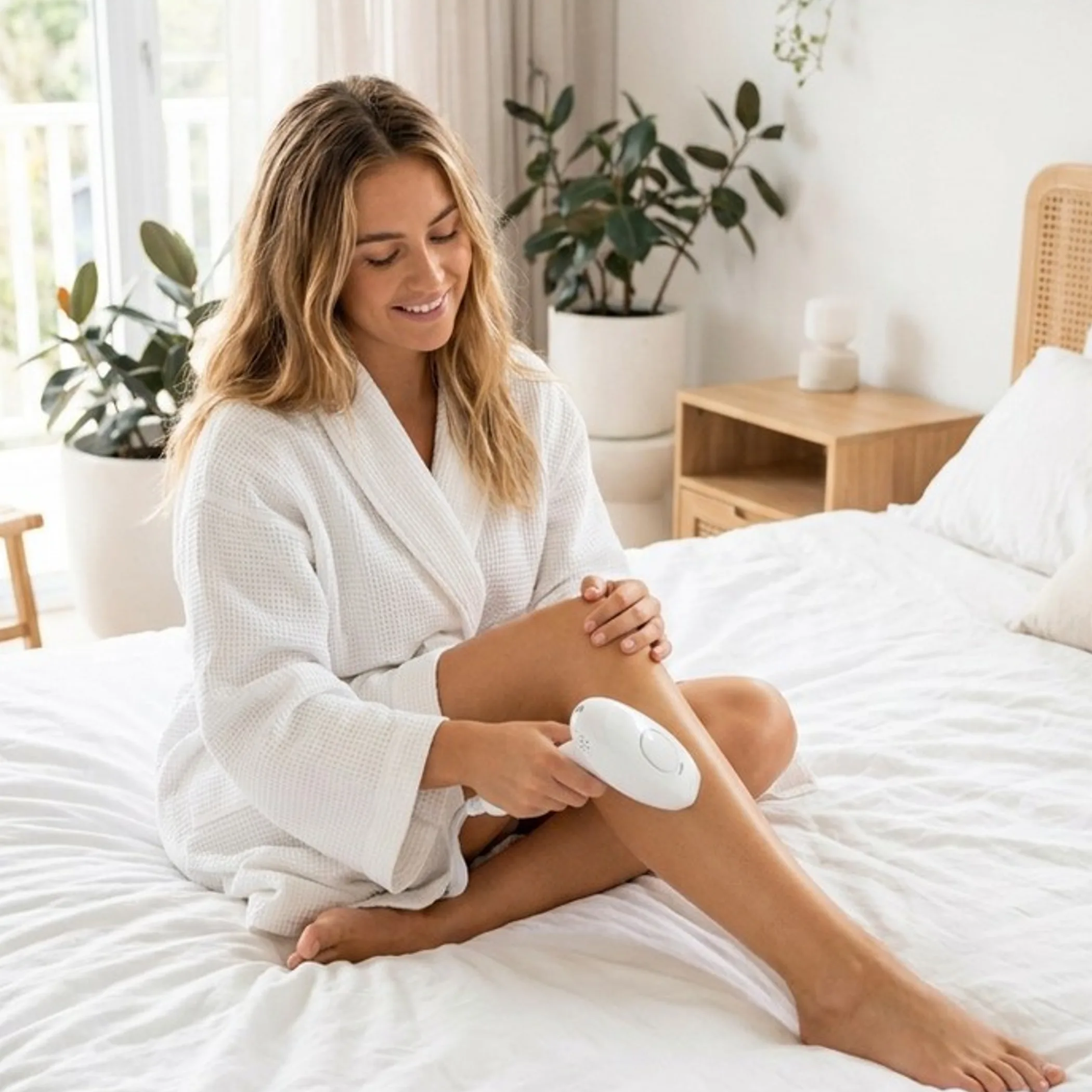
An average “legs in winter” type of visit does not require the same level of caution as certain other circumstances. Facial work, IPL, active acne regimens and darker tones will alter the risk equation somewhat. Generic advice from a blog will not do. One is not dealing with the forearm here, nor the shin with the bikini line. Someone on prescription retinoids has less room for error than another with robust skin and a simple moisturiser.
Face, Fitzpatrick, IPL
One has to be more careful with the face; it is more visible and harder to leave alone, to say nothing of the products it is subjected to. A patch test and some time off are sensible if you are thinking of tanning the face after treatment.
Your Fitzpatrick type is also a factor. Darker skin on the scale runs a higher chance of post-inflammatory pigment changes upon irritation. That is no bar to using a sunless tan at some point, it is just that the timing and how you prep will be of more import.
As for IPL in lieu of laser, the rule is much the same: do not put fake tan on the skin to be treated and do not hasten to tan while the area is still reactive. They do not mix well. Actives and Medications
Actives and Medications
There are prescription retinoids, exfoliating acids, benzoyl peroxide and certain antibiotics that will put the skin on edge. Should you be taking anything of a nature to heighten sensitivity, do not rely on a standard wait time before putting on a fake tan post laser; have your provider put forward a timeline for you.
Branded fare like GoGlow or Bali Body is irrelevant in this context. You may see claims of being gentle or hydrating on the packaging but what matters is if your skin barrier can take it.
A Time To Check In
For the most part any redness after treatment will subside of its own accord. Yet at some juncture “normal recovery” warrants a call to the clinic. Put an end to experimentation and seek advice if you are in more pain than before or the skin is blistered, dark or very swollen.
Walter Ashcroft has a simple way of looking at it: when you find yourself making excuses for your concern, it is time to check in. A mildly awkward phone call is preferable to spending a week telling yourself a poor reaction is simply part of the process.
Things To Be Wary Of
Blistering, crusting, a rash that is spreading, severe itch, marked swelling, new pigmentation that is uneven, ongoing heat or infection are all reasons to contact your provider without delay. The same goes if you have put on a fake tan too soon and the skin begins to sting, burn or peel.
Is this for the uninitiated? One could say that with laser, hard exfoliation and a hasty fake tan ahead of a wedding or holiday, you are engaging in the skincare equivalent of driving a road train through the bush on bald tyres. There is not enough margin for error given the variables.
The Bottom Line
To answer the question of whether one can fake tan following laser hair removal: yes, provided the skin has had its chance to settle, which is to say not for several days at a minimum, more like 1 to 2 weeks. Before the laser it is a straight no as it stands in the way of a proper assessment and safe treatment.
It is not the most exciting course of action but it is sound practice to present with clean, untanned skin for your treatment and allow recovery to run its course before any sunless tanning. If there is any doubt, put it to the clinic. It will serve to keep results on track and the skin calm.
Frequently Asked Questions
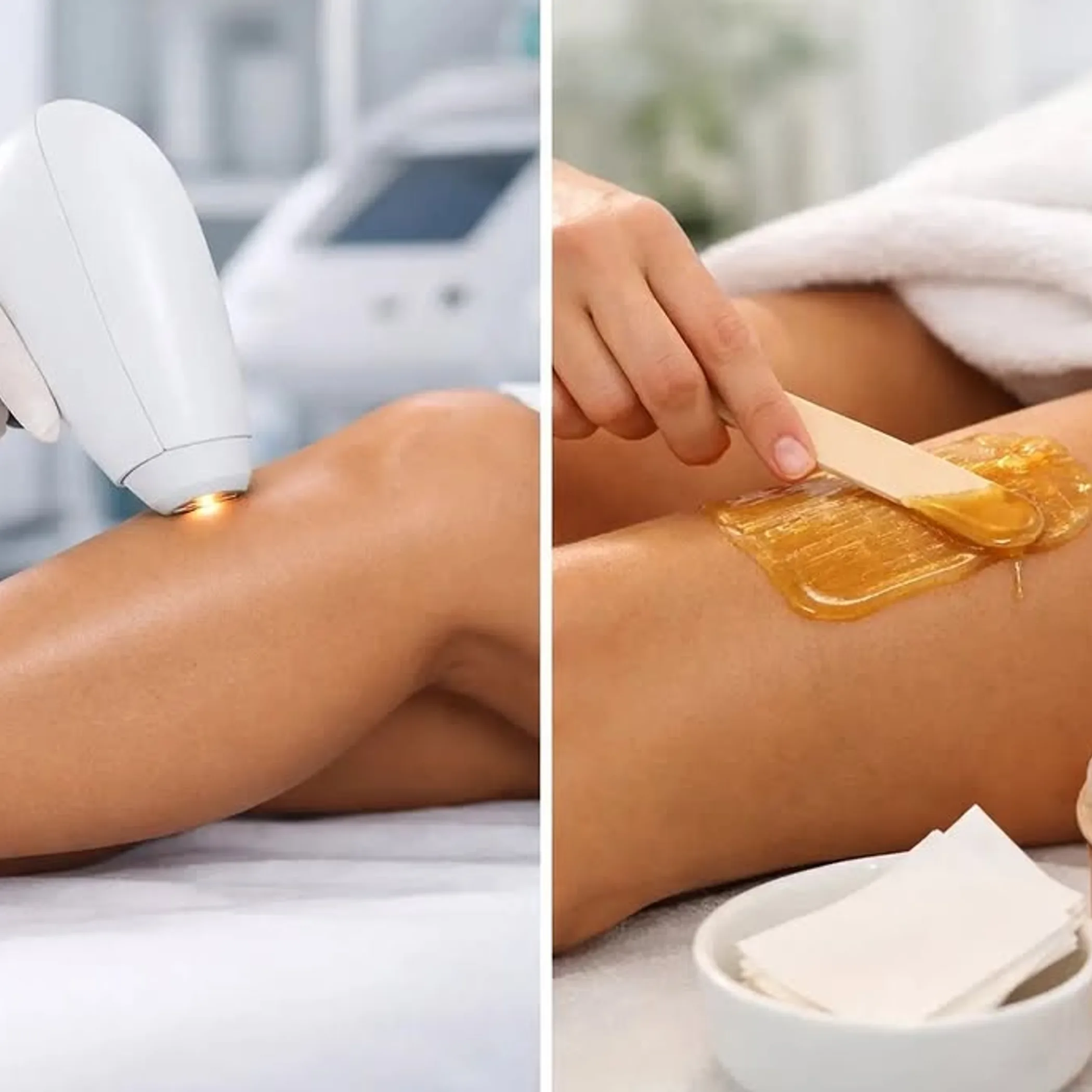
What happens if I tan after laser hair removal?
Do it too soon, be it from the sun or a fake tan, and you run the risk of hyperpigmentation, uneven colour and irritation. The sun is generally the greater hazard since UV brings inflammation and can alter settings down the line.
Will self-tanner get in the way of laser hair removal?
It can, particularly if it is on the skin prior to your session. Not only does it make for a difficult assessment by changing the apparent tone of the skin and raising the possibility of a burn, but put it on too early in the aftermath and it will irritate.
Do’s and don’ts in the wake of laser hair removal?
If told to, lightly moisturise and keep the area cool and out of harm’s way. Stay away from UV, friction and heat. Leave the exfoliation and active skincare to another day unless your provider gives the ok, and do not go applying a fake tan right off the bat.
Why is fake tan a no for a laser session?
Laser and IPL are drawn to pigment. The DHA in a fake tan will give the skin a darker look than is there and complicate the settings, inviting unnecessary risk.
How long should I wait to fake tan?
When the skin has fully settled, typically in the order of 7 to 14 days, though for some it may be longer. Your provider will be in a position to give the safest answer having regard for the area in question, your medications and how your skin has responded.
